AI & LLM Visibility for Small Businesses: How You Can Get Your Brand Recommended by ChatGPT and Perplexity
By Adam Fritsch, FritschFlix Marketing & Media
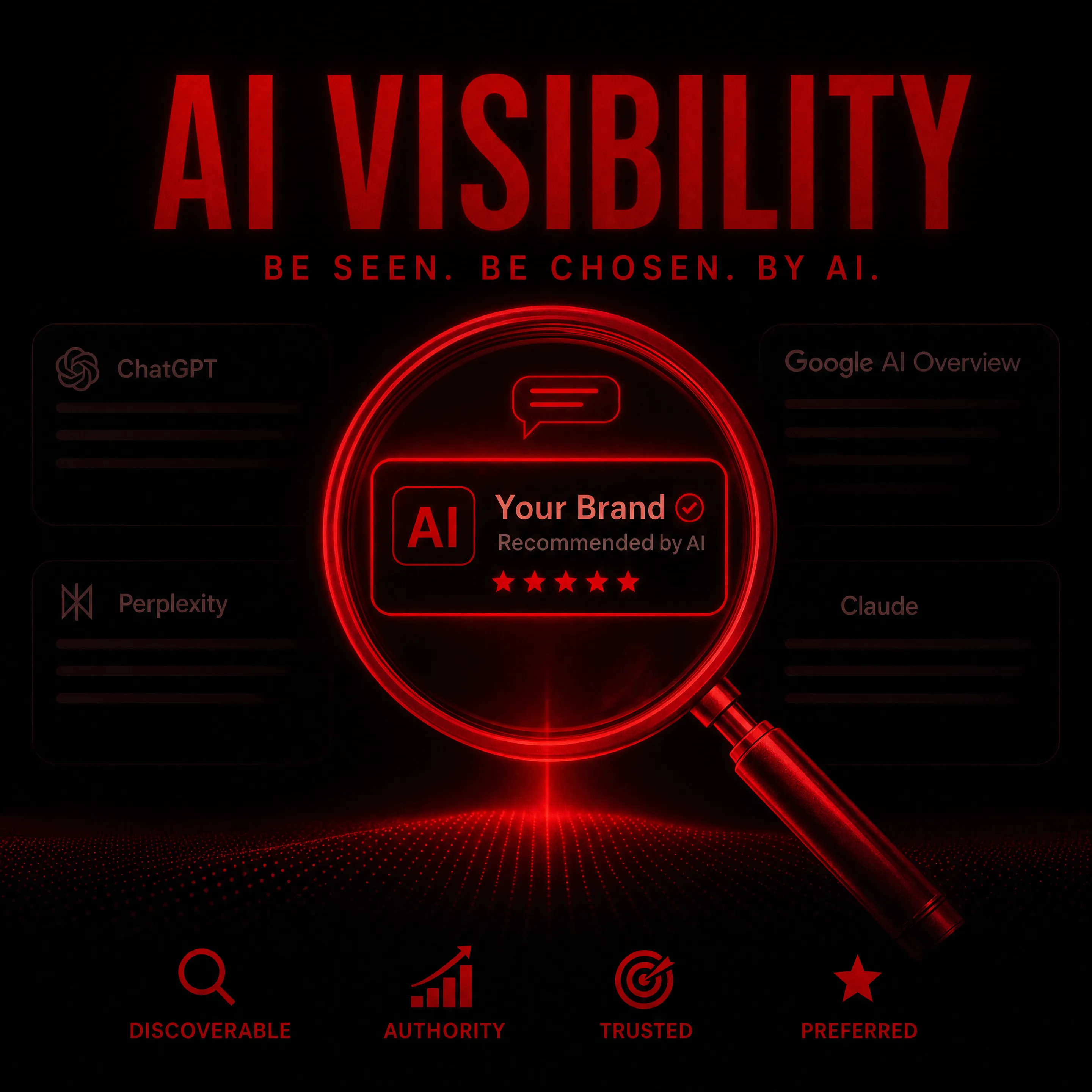
As small businesses increasingly rely on technology to enhance their market presence, understanding AI and Large Language Models (LLMs) is essential. The emergence of AI platforms, like ChatGPT and Perplexity, has transformed how brands can engage with potential customers. In this article, we will explore actionable strategies for improving your brand's AI visibility and how to leverage these technologies effectively. Many small businesses struggle to stand out in an ever-growing digital marketplace, making it crucial to adopt innovative approaches for brand recognition. Our focus will cover vital strategies, best practices, potential challenges, insights into AI brand positioning, and how you can optimize your presence on platforms like ChatGPT and Perplexity.
Strategies
To enhance your brand's visibility through AI platforms, it's important to implement a comprehensive strategy specifically tailored for small businesses. These actionable strategies can significantly improve how your brand gets recommended by AI systems:
Conduct an LLM Brand Presence Audit: Evaluate your existing brand visibility across various platforms. This audit will help identify strengths and areas for improvement.
Implement an Authority Content Strategy: Regularly publish content that demonstrates expertise in your industry. AI systems favor brands that provide authoritative information.
Build Entity & Brand Signals: Use structured data and optimize your content for search engines to enhance how AI understands and represents your brand.
Optimize for Google AI: Ensure that your website meets optimal SEO standards, as Google’s AI tools are crucial for online visibility.
Manage Reviews Effectively: Encourage satisfied customers to leave positive reviews. AI systems analyze customer feedback, influencing recommendations.
Ongoing Monitoring & Reporting: Regularly assess the effectiveness of your strategies. Adjust your approach based on performance metrics to continually improve visibility.
For small businesses, integrating organic marketing solutions can facilitate these strategies.
Best Practices
Following best practices can make a significant difference in leveraging AI tools for better brand visibility. Here are some key practices worth implementing:
Develop High-Quality Authoritative Content: Focus on creating content that answers common customer queries. This builds trust and enhances your brand’s online authority.
Maintain a Consistent Online Presence: Being active across various platforms ensures your brand is regularly seen and can improve familiarity with your audience.
Encourage Customer Reviews: Facilitate a system for gathering reviews from your clients, as positive feedback can significantly impact AI recommendations.
Leverage Structured Data: Use rich snippets and schema markup to provide AI systems with better signals about your content, improving the chances of being recommended.
Regularly Monitor Key Metrics: Keep an eye on performance metrics related to your AI visibility, adjusting strategies as needed based on the data gathered.
By continuously refining your approach using these best practices, you can position your small business to thrive in a competitive digital landscape.
Potential Challenges
While implementing AI visibility strategies, small businesses might encounter several challenges:
Rapid Technology Evolution: Keeping up with constant changes in AI technologies can be overwhelming and may require additional resources.
Growing Competition Among Businesses: As more companies invest in AI strategies, standing out becomes increasingly difficult.
Resource Allocation Constraints: Small businesses often face budget limitations that can hinder the ability to adopt sophisticated AI solutions.
By recognizing and preparing for these challenges, businesses can adapt more effectively and optimize their strategies for better outcomes.
What Is AI Brand Positioning and Why Does It Matter for Small Businesses?
AI brand positioning involves the strategic use of AI technologies to enhance a brand's visibility and reputation in the digital marketplace. This concept is crucial for small businesses aiming to thrive in competitive environments. AI visibility directly influences how brands are perceived by potential customers. By securing a prominent position in AI systems, businesses can gain a competitive edge, leading to increased consumer trust and long-term loyalty.
How Large Language Models Influence Brand Visibility
Large Language Models, such as those employed by ChatGPT, influence brand visibility by altering how consumers interact with technology. These models analyze user queries and provide results based on factors, including content quality, authority, and relevance. For example, trust and authority signals derived from strong customer feedback can lead to higher placement in search results, impacting consumer recommendations and purchasing decisions.
What Benefits Can Small Businesses Expect from AI-Powered Brand Positioning?
Small businesses can expect several benefits from adopting AI-driven brand positioning strategies:
Increased Visibility: Enhanced rankings on AI platforms boost brand discoverability among new customers.
Improved Content Authority: Regular publishing of authoritative content builds credibility and trust.
Enhanced Reputation Management: Monitoring AI feedback allows businesses to manage their reputation proactively.
Continuous Monitoring and Strategic Adaptation: AI tools facilitate ongoing performance evaluation, enabling businesses to refine their strategies over time.
These advantages underscore the importance of integrating AI into your branding efforts.
How Does ChatGPT Recommend Brands and What It Means for Your Business
ChatGPT recommends brands based on several criteria, including content quality, consistency, and authority. Businesses that prioritize high-quality, relevant content will likely find themselves favored by such AI systems. A consistent online presence coupled with optimized content increases the chances of being referenced favorably by ChatGPT. For small businesses, understanding these criteria can translate into tailored strategies that put them in a stronger position for AI recommendations.
What Are the Key Algorithms Behind ChatGPT’s Brand Suggestions?
The key algorithms employed by ChatGPT analyze multifaceted layers of content and user interaction to make brand suggestions. Specific factors include:
Authoritative Content: Brands that produce credible information are prioritized.
Online Presence: Consistent engagement across platforms signifies reliability.
Review Management: Brands with positive customer reviews are more likely to be recommended.
Understanding these components can guide small businesses in enhancing their AI visibility by aligning their marketing strategies with these algorithmic preferences.
How Can You Optimize Your Brand to Be Featured by ChatGPT?
To optimize your brand for inclusion by ChatGPT, consider these actionable steps:
Conduct an LLM Brand Presence Audit: Assess your brand's current visibility across AI platforms.
Implement Authority Content Strategy: Focus on producing relevant, authoritative content.
Build Brand Signals: Ensure your website is optimized for search engines using structured data.
Optimize for Google AI: Meet SEO standards and adapt to algorithm updates.
Manage Reputation: Focus on gathering and responding to customer feedback effectively.
These steps will enhance your brand's chances of being recommended by AI systems like ChatGPT.
How to Optimize Your Brand for Perplexity AI Search to Boost Discoverability
Optimizing for Perplexity AI requires a focused approach. Here are essential steps:
LLM Brand Presence Audit: Perform a thorough evaluation to understand where improvements can be made.
Authority Content Strategy: Invest in creating high-quality, relevant content tailored to customer needs.
Entity Signal Building: Leverage structured data to help Perplexity AI understand your brand better.
Optimize Visibility on Google: Similar to ChatGPT, ensure your site adheres to SEO best practices.
By focusing on these aspects, small businesses can significantly improve their discoverability in AI-driven search environments.
What Makes Perplexity AI Different from Other LLM Search Platforms?
Perplexity AI stands out due to its distinct algorithms and focus on providing conversational results. This approach embraces user intent effectively and offers personalized experiences. As small businesses navigate varying AI landscapes, understanding these unique features can provide insights into how best to position their brands for success.
Steps to Enhance Your Brand Presence on Perplexity AI Search
To strengthen your brand's presence on Perplexity AI, consider the following actionable steps:
Conduct an Audit: Evaluate your current visibility and identify gaps.
Develop Authority Content: Create valuable, engaging material that resonates with your audience.
Build Signals: Implement necessary optimizations to make your brand more interpretable by AI systems.
Manage Online Reputation: Stay proactive with customer interactions and feedback.
Taking these steps will enhance your brand's visibility and effectiveness on Perplexity AI.
What Are the Best AI SEO Optimization Techniques for Small Business Growth?
Employing effective AI SEO optimization techniques can lead to substantial growth for small businesses. Successful techniques include:
Keyword Research: Identify relevant keywords that align with user intent to boost search visibility.
On-Page Optimization: Ensure all content is optimized for targeted keywords while maintaining quality and authority.
Continuously Monitor Performance: Regularly review metrics to gauge effectiveness and make necessary adjustments.
By focusing on these core techniques, small businesses can leverage AI-driven SEO for sustainable growth.
How Does Semantic SEO Improve Your Brand’s AI Visibility?
Semantic SEO enhances brand visibility in AI systems by focusing on context and meaning rather than merely keywords. This involves creating authoritative content that answers user queries comprehensively. By ensuring a consistent online presence and leveraging structured data, businesses can significantly improve how AI interprets and represents their brands.
Which AI Marketing Tools Can Help Optimize Your Brand for LLMs?
Several AI marketing tools can aid small businesses in optimizing their visibility for LLMs, including:
LLM Brand Presence Audit Tools: These analyze existing visibility and recommend improvements.
Content Optimization Tools: Assist in refining content based on SEO standards and effectiveness.
Reputation Management Software: Helps manage customer feedback and online reputation.
Utilizing these tools can significantly enhance your brand’s AI visibility and improve overall marketing strategies.
What Success Stories Show the Impact of AI & LLM Visibility on Small Businesses?
Small businesses that have embraced AI visibility strategies have experienced growth. Companies leveraging authoritative content and strong online engagement report visibility increases. Case studies showcase how strategic adaptations to AI recommendations have driven measurable improvements in customer acquisition and retention.
What Trends Are Emerging in AI Brand Visibility for 2026 and Beyond?
Looking towards the future, emerging AI technologies will likely shape brand visibility. Observations indicate a growing emphasis on personalization and user-centric designs, encouraging brands to adapt quickly to changing consumer behaviors. Being forward-thinking in these areas will equip businesses to capitalize on advancements and maintain a competitive edge in AI-driven landscapes.