By Adam Fritsch, FritschFlix Marketing & Media
Website design and SEO are often treated as separate disciplines — but the most effective digital strategies treat them as inseparable. A beautiful site that can't be found is just as ineffective as a highly-ranked page that drives visitors away. This article covers how to integrate design and SEO from the ground up for measurable, compounding growth.
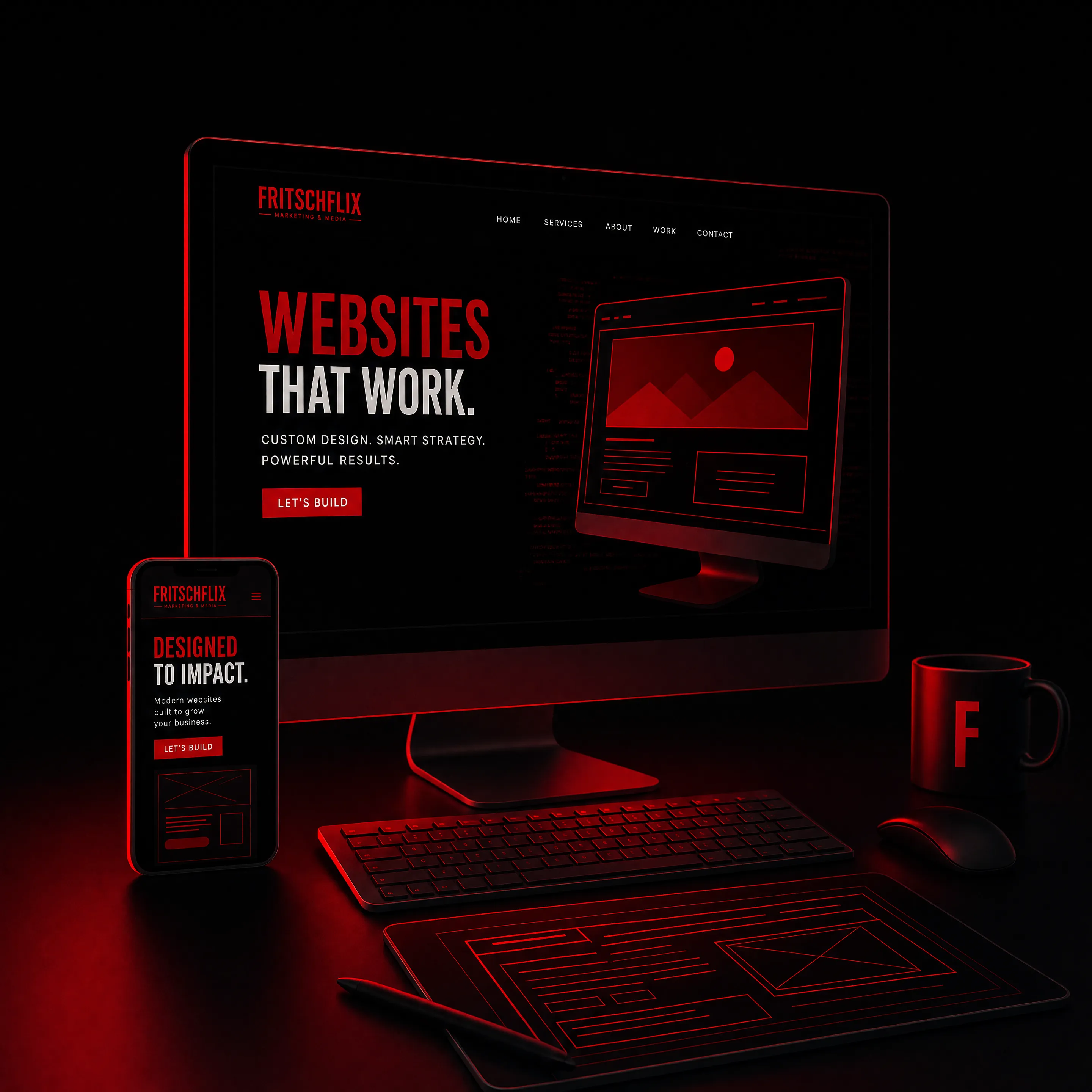
Key Differences: Design vs SEO
Website design focuses on visual layout, user interface, and the overall experience visitors have on your site. SEO focuses on optimizing technical elements and content so search engines can find, crawl, and rank your pages. Neither succeeds in isolation — a great-looking site needs SEO to get found, and SEO-optimized content needs a great design to convert the visitors it attracts.
Best Practices for Integration
- Custom Design Aligned With Brand Identity — Unique, on-brand design improves engagement and time-on-site (both SEO signals)
- Regular Content Updates — Fresh, relevant content maintains rankings and keeps users returning
- Responsive Design From Day One — Mobile-first is not optional — it's a Google ranking requirement
Impact on User Experience & Search Rankings

A well-designed website keeps users engaged longer, reduces bounce rates, and encourages exploration of multiple pages — all of which are behavioral signals that search engines reward with higher rankings. Speed, intuitive navigation, and clear CTAs aren't just design choices; they're SEO levers.
"The user interface and its functionality have a direct effect on user experience and search engine optimization — how you design a site fundamentally determines how well it ranks." — The Effects of Website Interface on SEO and User Experience, 2024
Design Elements That Impact Rankings
The most SEO-impactful design decisions include mobile responsiveness (Google's #1 ranking factor), page load speed, logical site structure, proper heading hierarchy (H1–H3), and alt text on all images. These aren't afterthoughts — they need to be built into the design from the start.
"Optimized website design for digital promotion incorporates enhanced SEO techniques from the outset, addressing key barriers like limited expertise in web development and SEO that hinder SMEs." — Design Website for Digital Promotion, A Akbar, 2023
SEO Best Practices Within Website Design
- Unique Title Tags & Meta Descriptions — Every page needs distinct, keyword-targeted metadata
- Regular Content Updates — Stale content loses rankings; fresh content maintains and improves them
- Descriptive Alt Tags — Image alt text provides context to search engines and improves accessibility
Mobile Optimization: Where Design & SEO Meet
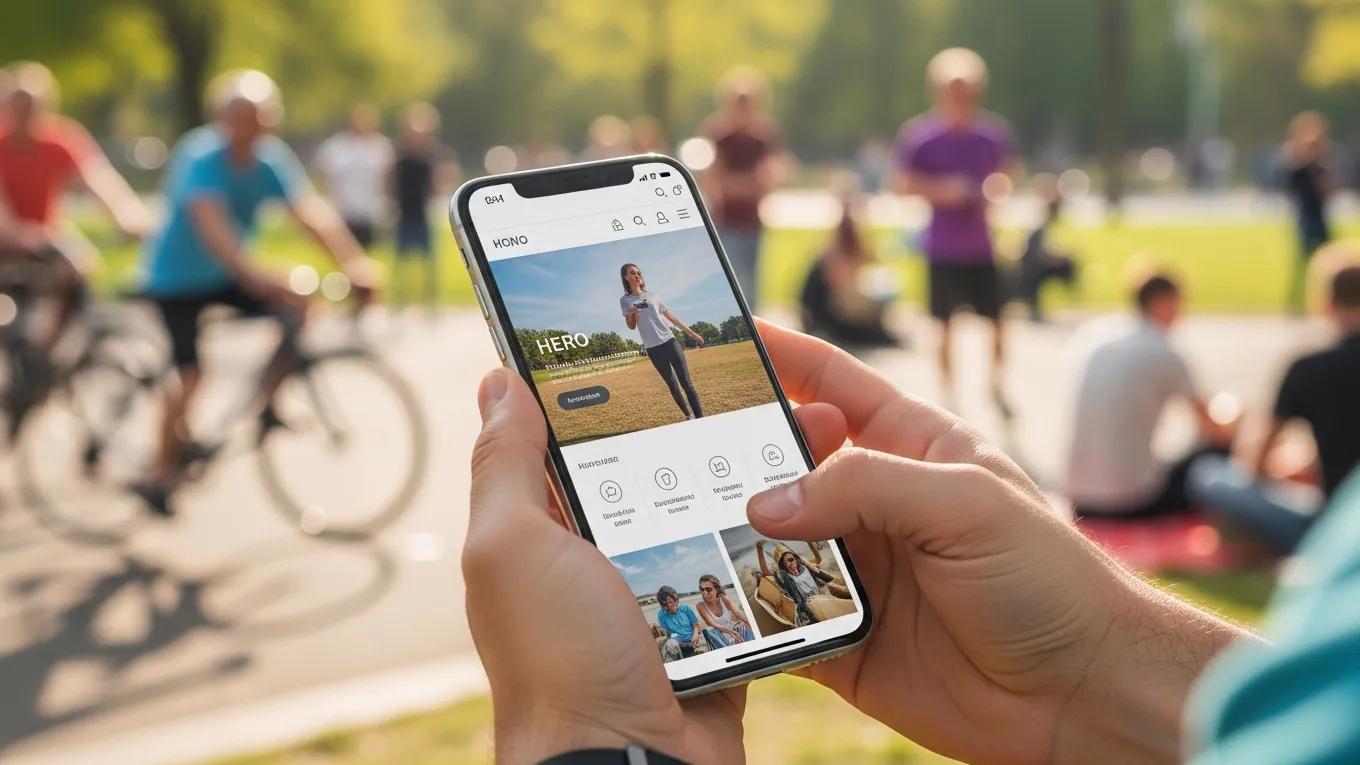
Mobile-first design is now Google's primary indexing standard. Sites optimized for mobile load faster, rank higher, and convert better. Core Web Vitals — Google's user experience metrics — directly influence rankings:
- Largest Contentful Paint (LCP) — Measures loading performance
- First Input Delay (FID) — Measures interactivity and responsiveness
- Cumulative Layout Shift (CLS) — Measures visual stability as the page loads
"Search Engine Optimization makes a big impact on online companies — being ranked in Google search results is critical for business growth." — How SEO Impacts Website Rank, 2024
Integrating Design & SEO for Measurable Growth
The businesses that win online are those that treat design and SEO as a unified strategy from the start. Conduct market research before designing. Use analytics to track user behavior and identify friction points. Update content regularly. And ensure every design decision — from navigation structure to image compression — is made with both the user and search engine in mind.
Get a Website That Looks Great and Ranks Higher
FritschFlix builds custom, SEO-ready websites from day one — combining conversion-focused design with the technical foundation that drives organic search growth.
Get a Free Proposal →